

Welcome to the world of cosmetic dentistry, where the pursuit of a beautiful and healthy smile is made possible. Whether you are looking to whiten your teeth, correct misalignments, or enhance the overall appearance of your smile, cosmetic dentistry offers a range of solutions tailored to your unique needs. But how can you know if it’s the right fit for you? Keep reading as we explore the various treatments and procedures available to transform your smile into something you love.


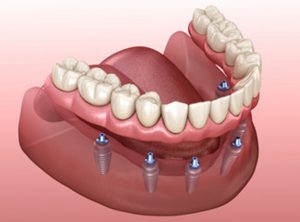

 Losing multiple teeth can lead to a wide variety of issues. Obviously, your ability to speak and chew will be limited, but you may be surprised to learn that your jaw will start to lose some of its bone density. Dentures give you an efficient, affordable way to fill in the space in your smile, but do they address all the consequences of missing teeth? Here’s what you need to know about dentures and jawbone preservation.
 When it comes to preventing, detecting, and treating oral health issues, regularly visiting your dentist is paramount. However, many people are hesitant to even give their dentist a call due to fear of pain, potentially costly bills, and a reluctance about dental work in general. But these appointments will ensure that your smile looks and feels great for the foreseeable future! Your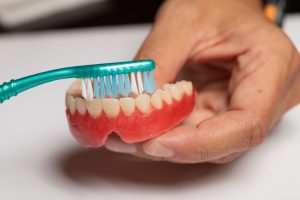
 Your teeth are quite important—without them, essential daily functions like biting, chewing, talking, and more are almost hopeless! Fortunately, options like
 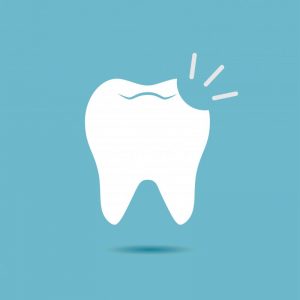 Although your tooth enamel is the hardest material in your body, it doesn’t mean they’re unbreakable. With just one wrong bite or a sudden blow to the face, you might find yourself experiencing a chipped tooth. If you don’t immediately feel discomfort after this, you may be tempted to hold off on getting treatment in case it recovers on its own. But can a chipped tooth regenerate by itself? Keep reading to learn what you should expect from this situation and ways you can
  According to the American College of Prosthodontics, roughly 40 million adults are missing all of their teeth—this is quite a large figure! Not only that, but missing teeth is a pretty serious problem and can greatly affect your day-to-day life by inhibiting your ability to bite, chew, speak, and more. But luckily,
 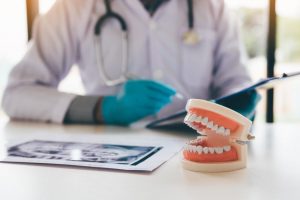 It isn’t always easy to separate fact from fiction; many myths and morsels of misinformation tend to circulate around and cause confusion. Some of these myths involve
  If you have
 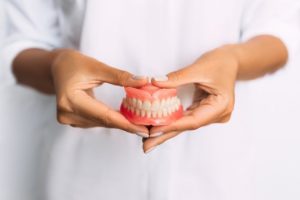 When it comes to correcting a compromised smile,
  Many people put a lot of effort into their smiles—a dazzling set of pearly whites is an attractive feature that does a lot to enhance your confidence! But sometimes your teeth can lose their radiance and become an unfamiliar shade of yellow, brown, or even grayish blue; how does this happen? There are many causes for tooth discoloration, and gray/blue color is caused by a few specific things. Keep reading to learn more about what causes your teeth to turn gray and some things