
Sedation Dentist Windermere
Get Comfortable While Taking Care of Your Smile
Taking care of your oral health is extremely important, but our Windermere Dentistry team also understands that dental-related anxiety and fear can be powerful emotions. If you’re struggling to remain calm as you try and schedule your next appointment, talk to our staff members about the possibility of undergoing sedation. Sedation dentistry helps take the edge off negative emotions and creates a more relaxed atmosphere for patients in need. These techniques are very safe, and our highly experienced dentists will be sure to prioritize your comfort every step of the way. Contact our Windermere dental office today to learn more about sedation dentistry!
Why Choose Windermere Dentistry for Sedation Dentistry?
- Friendly & Welcoming Team That Helps Ease Fear
- Comfortable, State-of-the-Art Dental Office
- Dental Insurance & Financing Accepted
Nitrous Oxide
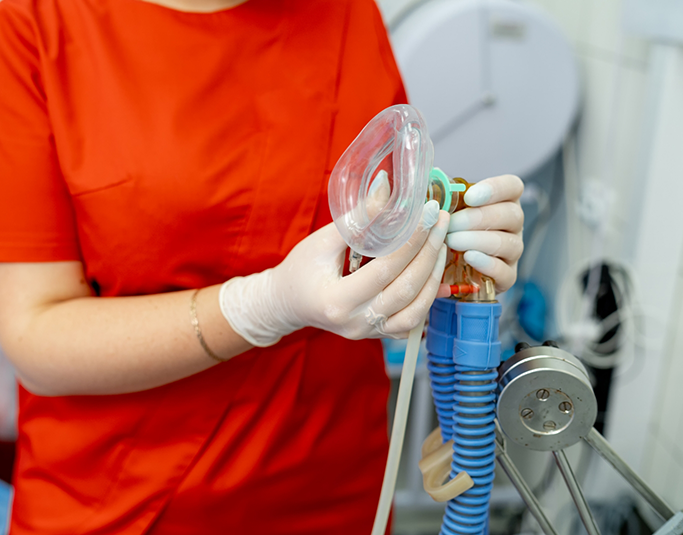
Also known as “laughing gas,” nitrous oxide is a mild sedative that can help patients relax much more effectively during their appointment. The gas is administered through a mask that fits over the nose, and within a few minutes of breathing it in, the effects should take hold. Unlike other sedation techniques, patients will recover quickly from nitrous oxide and will not require an escort once they leave our practice.
Oral Conscious Sedation

Oral conscious sedation is excellent for our patients with moderate to more severe dental fear or anxiety, or for those who are receiving longer treatments. Before your appointment, your dentist in Windermere will prescribe you a medication, called Halcion, that you’ll pick up from your local pharmacy. You’ll take it before reaching our office, so the effects will kick-in by the time you arrive. For this reasons, you’ll need to have a trusted friend or family member ready to drop you off and pick you up from the practice.
Sedation Dentistry FAQs
What Does It Feel Like to Be Sedated at the Dentist?
When you see your sedation dentist in Windermere, what you experience will depend on the sedative you get. Different options result in varying sensations and feelings.
Take traditional “laughing gas” or nitrous oxide, for example. Inhaling this drug makes a patient feel relaxed, light, and mildly euphoric. The gas can also cause a slight tingling sensation in one’s arms and legs, as well as fits of the giggles. (This latter effect provides nitrous oxide with its nickname.)
In contrast, oral conscious sedation produces more intense feelings. It uses sedatives like Halcion that provide deeper relaxation than nitrous oxide can. Some patients even report experiencing a sense of heaviness, time passing more quickly, etc.
How Long Does Sedation Dentistry Last?
All in all, how long sedation dentistry lasts can widely vary. It ultimately depends on the sedative you receive.
Reactions to nitrous oxide are relatively short-lived. Indeed, “laughing gas” only affects you while you’re inhaling it during treatment. The sedative’s calming effects quickly fade once you stop breathing the gas, ensuring you’re “back to normal” within a few minutes. You should even be able to drive home after treatment.
On the other hand, oral conscious sedation’s effects tend to persist. They take a day to disappear, so you’ll need a friend or family member to drive you home from your visit.
Will I Feel Any Pain with Sedation Dentistry?
If (or when) you undergo sedation dentistry, you shouldn’t feel any intense pain. Your treatment will instead be smooth, easy, and relatively free of discomfort.
Beyond keeping you calm, dental sedatives also suppress your ability to feel pain. Their chemicals have a natural numbing effect that makes your aches seem much milder. As a result, the most you’ll feel while sedated is some pressure; you probably won’t experience much (if any) soreness.
(You may experience some pain after treatment, but such an ache won’t last long. You can expect it to fade within a day or two.)
Can Dental Sedation Make You Sick?
In rare cases, dental sedation can make a patient feel sick. Whether it has that effect on you will depend on your body and the sedative you receive.
Nitrous oxide sedation almost never causes feelings of sickness. So-called “laughing gas” is naturally mild, so it seldom affects the body enough to prompt nausea. The risk does increase slightly as you inhale the gas longer, but this change is negligible.
Things are a tad different with oral conscious sedation. Being stronger than nitrous oxide, it carries a higher risk of nausea and similar symptoms. Most dentists will thus suggest that a patient not eat anything right before receiving the sedative.