
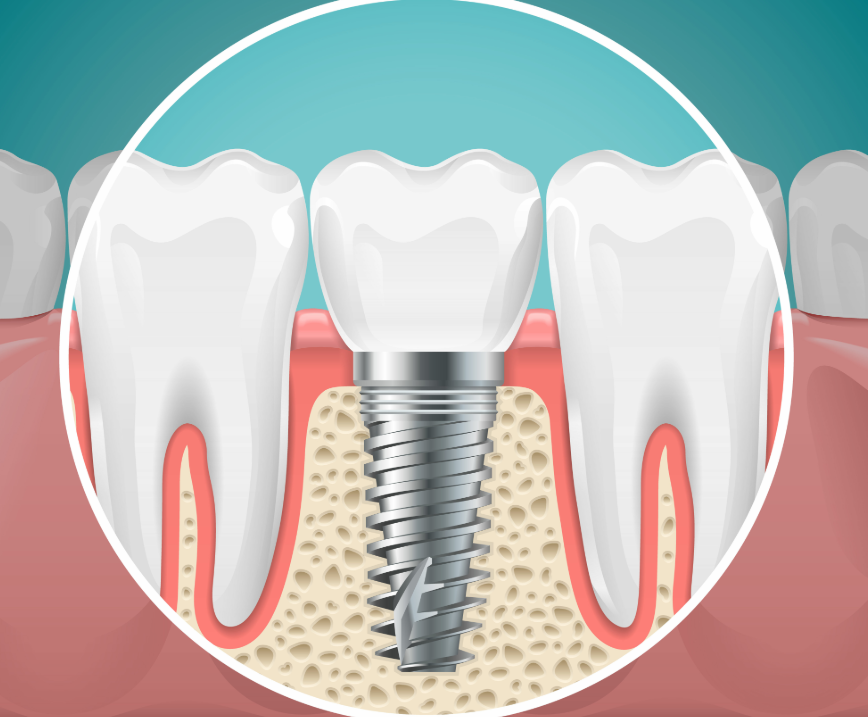
Dental implants are one of the most reliable and long-lasting ways to replace missing teeth. With proper care, they can last for many years, even decades. But like natural teeth, implants aren’t completely maintenance-free. Certain everyday habits can put unnecessary stress on them or increase the risk of complications.
The good news is that a few simple changes can go a long way in protecting your investment and keeping your smile strong and healthy.
Skipping Your Oral Hygiene Routine
Even though implants can’t get cavities, the surrounding gums and bone still need to stay healthy. Neglecting brushing and flossing can lead to plaque buildup, which may cause gum inflammation or peri-implantitis—a condition that can threaten the stability of your implant.
Brushing twice a day, flossing daily, and keeping up with regular cleanings are essential for long-term success.
Chewing on Hard Objects
Using your teeth as tools or chewing on hard items like ice, pens, or hard candy can put excessive pressure on your implant crown. While implants are strong, they’re not indestructible. Repeated stress can lead to chips, cracks, or even damage to the implant structure over time.
If you have a habit of chewing on non-food items, it’s worth breaking for the sake of your smile.
Grinding or Clenching Your Teeth
Teeth grinding, also known as bruxism, can place significant force on both natural teeth and implants. Over time, this pressure can wear down the crown or affect the implant’s stability.
If you grind your teeth at night, your dentist may recommend a custom nightguard to protect your implants and reduce strain on your jaw.
Smoking and Tobacco Use
Smoking can interfere with the healing process after implant placement and increase the risk of implant failure. It also contributes to gum disease, which can weaken the tissues that support your implant.
Quitting or reducing tobacco use can significantly improve your oral health and help your implants last longer.
Eating Sticky or Hard Foods Frequently
While you don’t need to avoid your favorite foods entirely, regularly eating very sticky or hard items can create problems. Sticky foods can pull at restorations, while hard foods can cause damage if bitten down on with too much force.
Enjoy these foods in moderation and be mindful of how you chew, especially in the early months after getting your implant.
Skipping Dental Checkups
Routine dental visits are key to monitoring the health of your implant and catching any potential issues early. Your dentist can check the integrity of the implant, assess your gum health, and provide professional cleanings that go beyond what you can do at home.
Skipping these appointments may allow small problems to develop into more serious concerns.
Using Improper Cleaning Tools
Not all dental tools are implant-friendly. Using hard-bristled toothbrushes or abrasive toothpaste can damage the surface of your implant crown. It’s best to stick with soft-bristled brushes and non-abrasive products recommended by your dentist.
There are also specialized floss and interdental brushes designed to clean around implants more effectively.
Small Changes, Long-Term Benefits
Taking care of dental implants doesn’t require a complete lifestyle overhaul—just a bit of awareness and consistency. By avoiding these common habits and sticking to a healthy routine, you can protect your implants and enjoy a confident, functional smile for years to come.
A little extra care today can make a lasting difference for your smile.
About the Practice
Windermere Dentistry provides comprehensive implant dentistry services, helping patients restore their smiles with durable, natural-looking solutions. Led by Dr. McKissock and Dr. Thakkar and supported by a knowledgeable team, our practice focuses on personalized care, from initial consultations to long-term maintenance. With a commitment to patient education and advanced techniques, we help ensure every dental implant is built to last.
Call us at (407) 909-1099 or schedule your appointment online.